Published August 5, 2026
If you own an older brick home or building in Omaha, there’s a good chance it will need tuckpointing at some point. It’s one of the most important — and most overlooked — forms of masonry maintenance, and getting it done at the right time can save you from far more expensive repairs down the road.
What is tuckpointing?
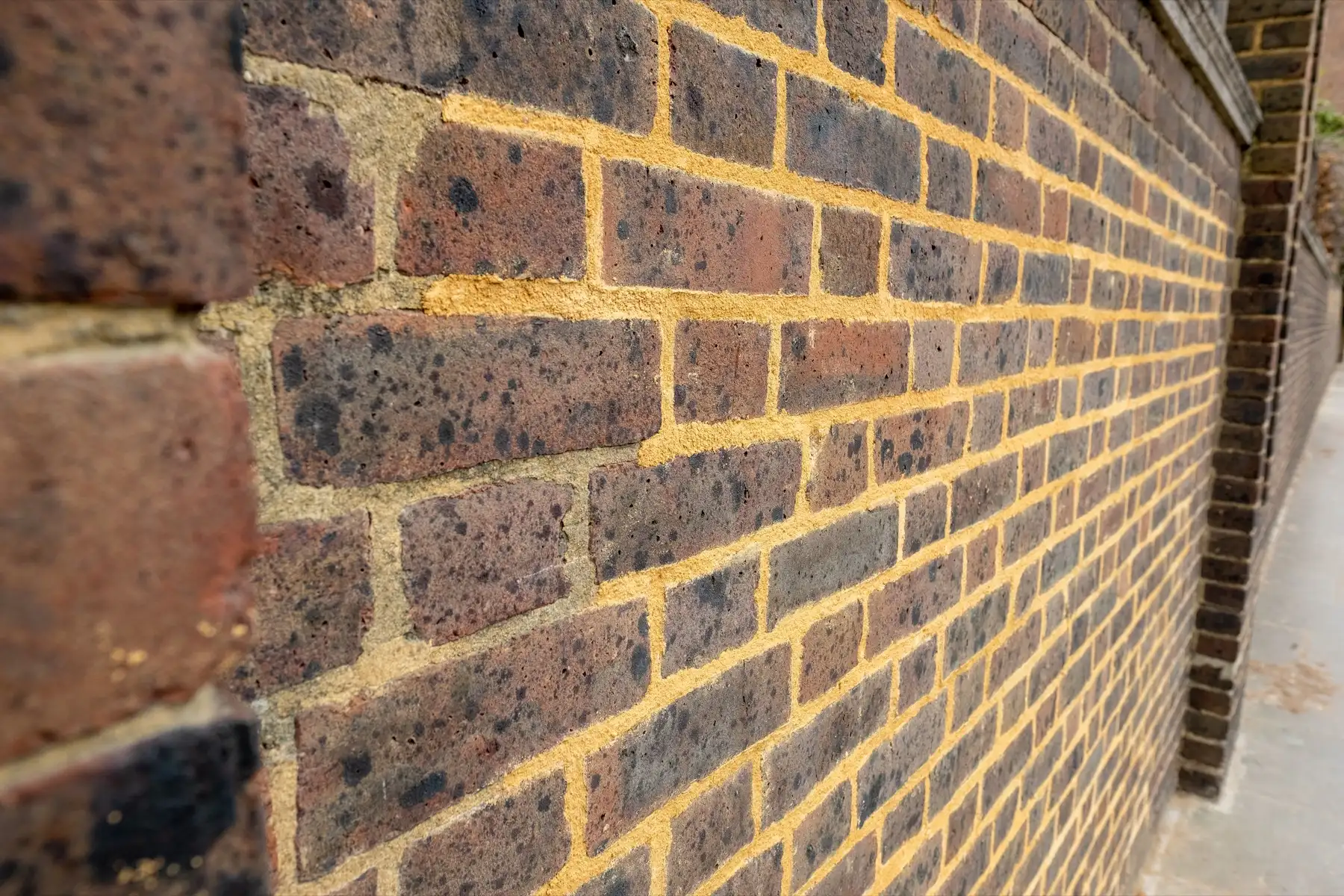
Tuckpointing (also called repointing) is the process of removing deteriorated mortar from between bricks or stones and replacing it with fresh mortar. The brick itself is usually fine — it’s the mortar joints that break down first. Over decades, weather wears mortar away, and once water can get in, the damage accelerates.
Done well, tuckpointing restores both the structural integrity and the crisp, clean appearance of your masonry.
Why Omaha’s climate is hard on mortar
Nebraska gives masonry a brutal workout. Water seeps into tiny cracks and gaps in the mortar. When temperatures drop, that water freezes and expands, widening the gaps. When it thaws, more water gets in — and the cycle repeats all winter long. This freeze-thaw cycle is the number-one cause of mortar deterioration in the Omaha area.
The longer failing mortar goes unaddressed, the more moisture reaches the brick and the wall behind it — which can lead to spalling brick, interior water damage, and even structural issues.
Warning signs you may need tuckpointing
Keep an eye out for:
- Mortar that’s cracked, crumbling, or receding below the face of the brick
- Gaps you can fit a fingernail or key into
- Loose or shifting bricks
- Powdery mortar dust at the base of a wall
- Water stains or dampness on interior walls near masonry
- Visible mortar loss on chimneys (a common early spot)
If you can rake out mortar with a screwdriver, it’s time.
The tuckpointing process
A quality job isn’t just smearing new mortar over old. We carefully grind out the deteriorated joints to a proper depth, clean them, and pack in fresh mortar — color-matched to blend with your existing masonry — then tool the joints to match the original profile. The result should look like it was always there.
Don’t wait for winter
The best time to address failing mortar is before the freeze-thaw season sets in. A small repointing project now is far cheaper than rebuilding a wall or restoring a chimney later.
If you’ve noticed any of the warning signs above, request a free quote and we’ll assess your brickwork and give you an honest recommendation.